
Heirloom Gifts for Children
Some children's gifts are remembered for the excitement of opening them.
Others are remembered because they never really leave.
They move from the playroom to a bedroom shelf. They are packed carefully during a house move. A parent finds them years later and remembers exactly who gave them, on which birthday, and where everyone was standing when the wrapping came off.
That is the difference at the heart of heirloom gifts for children.
An heirloom does not need to be old when it is given. It becomes an heirloom because it is made well enough, loved deeply enough and designed timelessly enough to acquire a life beyond its first owner.
The best examples are not simply gifts that last. They are gifts worth keeping.
What Actually Makes a Gift an Heirloom?
“Heirloom” is an easy word to use and a difficult standard to meet.
A high price does not make an object an heirloom. Neither does traditional styling on its own.
A convincing heirloom gift for a child usually combines several qualities: materials capable of ageing well, craftsmanship worth preserving, a design that is not tied too tightly to one trend, and enough emotional or practical value for a family to choose not to discard it.
Repairability matters too. An object designed to be maintained or to receive replacement parts has a better chance of remaining in family life than one intended to be replaced at the first sign of damage.
Little Forest Animals describes its own approach as “made to last,” using responsibly sourced wood and handcrafted production. Current major dollhouse product pages also state that replacement parts are provided when an item arrives damaged.
Longevity begins with construction. Heirloom status comes later, through use and memory.
1. An Architectural Wooden Dollhouse
A substantial wooden dollhouse is perhaps the clearest example of a once in a lifetime children's gift.
It has physical presence. It can support years of changing stories. And when its period of everyday play becomes quieter, it can remain in the room as miniature architecture.
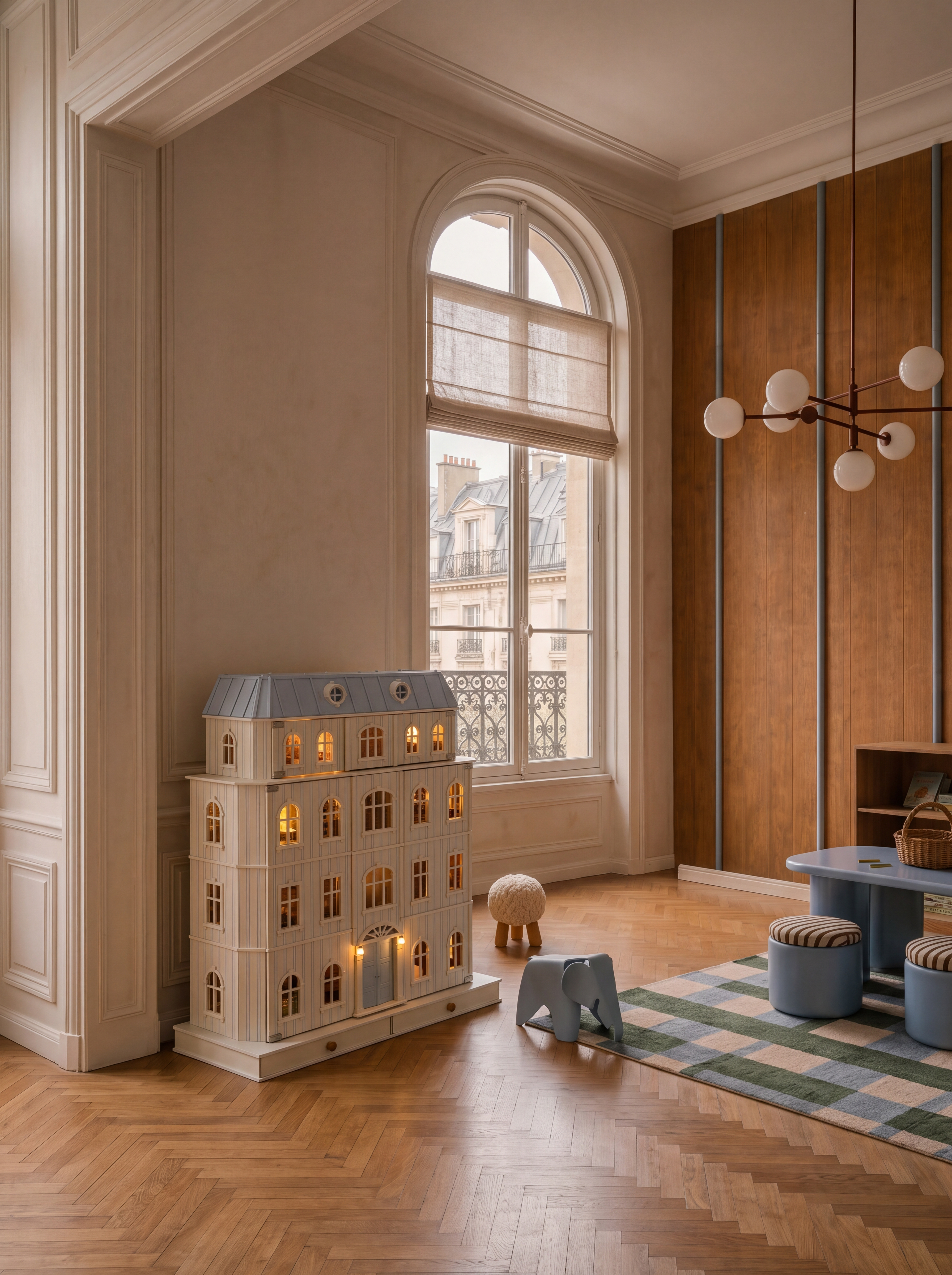
Little Forest Animals' current collection includes houses inspired by cities and architectural traditions, from Paris and London to New York and Monaco. The brand's Our Story page describes the houses as handcrafted from responsibly sourced wood and designed around a passion for architecture.
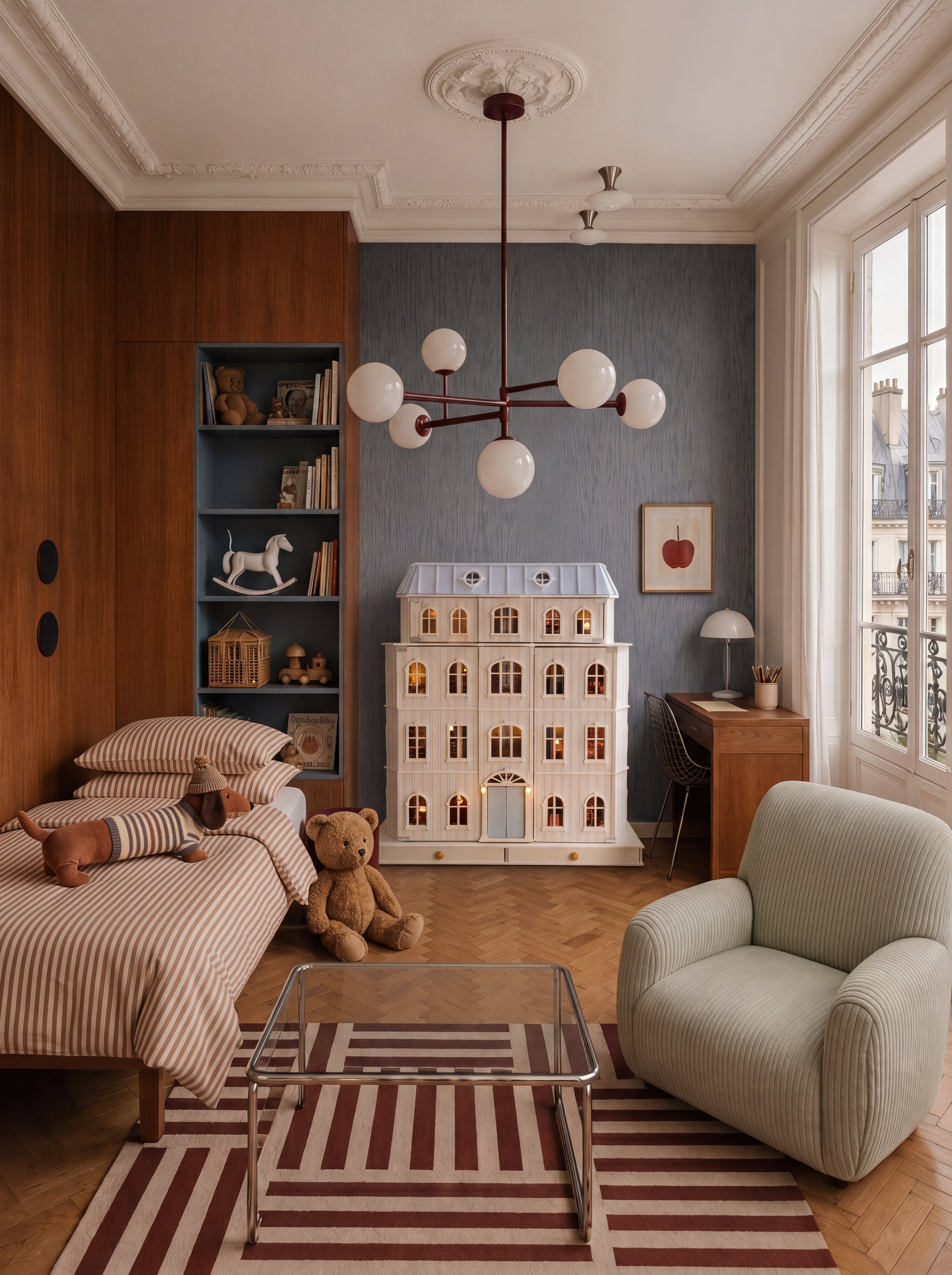
House of Monaco is a particularly strong heirloom example: a six-storey Haussmann-inspired mansion made from wood, with eight detailed rooms and included furniture, textile sets and a porcelain tea set.
The current age guidance of 3–99 makes the intention unusually clear. This is an object designed to cross the visual boundary between children's play and miniature collecting.
An architectural dollhouse is not an heirloom because it is large. It becomes one when the family still wants it after the child has grown.
Explore our dollhouses designed to become part of both childhood and the home.
2. A Hand-Sewn Family of Characters
Some heirlooms are easier to hold.
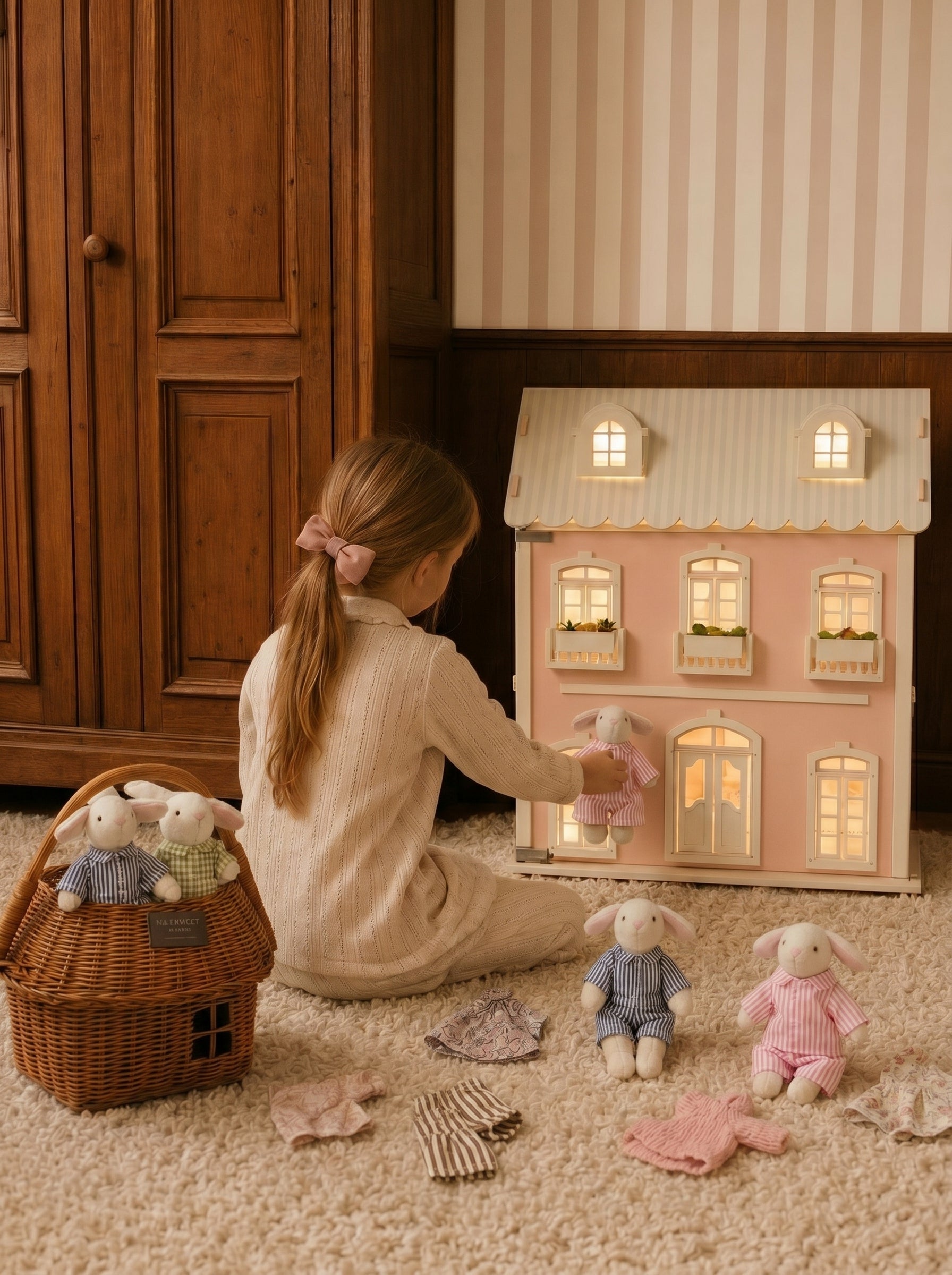
The Bellevue Family offers a different kind of longevity: five hand-sewn characters made from 100% organic cotton, each dressed by hand and presented together in an organic rattan basket.
Soft objects often acquire sentimental value through physical familiarity. They are carried, dressed, moved between rooms and incorporated into hundreds of ordinary stories.
That history is difficult to manufacture.
A character may begin as part of dollhouse play and later become a small object kept on a shelf, stored in its original basket or passed to another child.
The material may show evidence of being loved. That does not necessarily reduce heirloom value. In many families, it is exactly what creates it.
3. A Miniature Collection Built Slowly Over Time
An heirloom does not always arrive complete.
A collection can become more meaningful precisely because it grows slowly.
A miniature tea set, lighting, furniture, characters or small collectible objects can be added across birthdays, holidays and family occasions. Each piece then carries its own date and giver.
Over time, the collection becomes a record.
This is one reason miniature worlds lend themselves naturally to heirloom gifting. A grandparent can begin with one object and add another the following year. A parent can mark a milestone with a new room detail. The child eventually inherits not just one gift, but a sequence of memories.
The most valuable part of the collection may be the story of how it came together.
Explore the world designed to let their world grow one story, birthday and memory at a time.
4. A Gift Connected to a Place
Objects become easier to remember when they are connected to somewhere meaningful.
A Paris-inspired house may recall a family trip. A London townhouse may connect to where a child was born or where grandparents live. New York may represent a city visited together or a place the family hopes to explore one day.
Little Forest Animals' city-inspired architecture makes this kind of gifting particularly personal.
The House of Paris, for example, is a four-storey, seven-room wooden house with furnished interiors and Parisian references. House of London uses a classic townhouse language with a red British telephone box and spiral staircases.
A place turns the gift into a story before the child has even begun playing.
Years later, that connection may be what makes the object impossible to give away.
Find a house inspired by a city that already means something to your family — or one you hope to discover together. [INTERNAL LINK → Dollhouses / House Collection]
5. A Keepsake With a Written Story
One of the least expensive ways to make an heirloom gift more meaningful is also one of the most effective.
Write something down.
Include the date. Explain why the object was chosen. Mention the birthday, holiday or family event. Write directly to the child, even if they are too young to read it now.
Keep the note in the original box, basket or another safe place with the object.
Sentimental value often comes from context. A child may remember that a dollhouse belonged to their grandmother, but a written note can preserve the exact voice of the person who gave it.
The object survives physically.
The note helps the story survive with it.
6. A Gift Designed to Be Repaired, Not Replaced
Repairability is one of the most practical tests of an heirloom object.
Children use things. Hinges move. Furniture is rearranged. Small pieces can be damaged or lost. A gift intended to last should acknowledge real life rather than depend on remaining untouched.
This is why repair, replacement parts and maintainable construction matter.
Current Little Forest Animals major dollhouse product pages include a care and assurance promise stating that replacement parts are provided if an item arrives damaged. For a broader “built to be repaired” claim, the exact long-term repair programme and replacement-part availability should be confirmed before publication.
An heirloom should not need to remain perfect.
It should have a reasonable path back into use.
7. Timeless Design Instead of a Short-Lived Trend
Children's design changes quickly.
Colours trend. Characters trend. Technology changes. What feels essential one year can look strangely specific a few years later.
Timeless design does not mean colourless design.
It means the object has enough visual identity to remain interesting after the trend that surrounded it has moved on.
Architecture is particularly effective here. A well-proportioned townhouse, mansard roof, staircase or miniature interior refers to a much longer design history than a seasonal motif.
This is one reason a designer dollhouse can remain visible as a child grows. Its role may change from toy to room feature, but the object itself does not have to visually expire.
8. The Grandparent Gift
Grandparents often approach gifting from a longer timeline.
They may be thinking less about what will create the loudest reaction today and more about what the child may remember when they are older.
That makes heirloom gifts for children particularly natural as grandparent gifts.
A wooden house can become associated with weekends at a grandparent's home. A family of dolls can be brought out on every visit. A collectible object can be added each birthday.
The strongest grandparent gifts often contain repetition and ritual.
“This is the house we always played with at Grandma's” can eventually carry more sentimental value than any material specification.
9. The Milestone Birthday Gift
Some birthdays invite a different scale of gift.
A first double-digit birthday, a significant family celebration or another milestone may be the moment for one extraordinary object rather than many smaller ones.
A once in a lifetime children's gift should still pass the same test as any other heirloom: what happens after the occasion?
If the answer is that the object remains useful, beautiful and emotionally relevant, the size of the gesture has substance behind it.
If the entire value exists only in the surprise, it may be luxury — but it is not necessarily heirloom.
10. A Gift That Can Change Roles
The most resilient children's objects often have more than one life.
A dollhouse begins as architecture for play and can later become room decor. Animal characters can move from active storytelling to a shelf. A miniature collection can become something displayed rather than constantly rearranged.
This change is not a failure of the original purpose.
It is evidence of longevity.
Gifts that last generations do not need to be used in exactly the same way by every generation. They need enough design and emotional flexibility to remain welcome.
A future child may invent completely different stories inside the same house.
That is part of what passing something down means.
11. The Original Packaging, Basket or Crate
Packaging is usually designed to disappear.
For an heirloom, it can become part of preservation.
A premium box, dedicated basket or protective container gives smaller objects somewhere to return when they are not in use. The Bellevue Family, for example, currently arrives in an organic rattan basket inside a premium Little Forest Animals gift box.
Large Little Forest Animals houses such as House of Monaco and House of Paris are currently delivered in protective wooden crates.
Families do not need to keep every piece of shipping material forever. But retaining a useful original box, basket, note or care information can make future storage and passing-down easier.
The moment of gifting is temporary.
Good presentation can have a second purpose.
12. The Gift a Child Chooses to Keep
Ultimately, adults cannot declare an heirloom into existence.
They can choose the materials. They can pay for craftsmanship. They can select a timeless design and write the date carefully inside the box.
But the child decides what acquires meaning.
Sometimes the most treasured object is the grand architectural gift. Sometimes it is one small character that appeared in every story for years.
That unpredictability is part of the beauty of sentimental value.
The purpose of choosing an heirloom-quality gift is not to force a future memory.
It is to give that memory something strong enough to live inside.
How to Choose an Heirloom Gift for a Child
Before buying, ask five questions.
Is it made well enough to survive real use?
Can it be repaired, maintained or supported if something goes wrong?
Will the design still feel relevant when the child's room changes?
Does it have enough emotional or functional range to change roles over time?
And is there a reason this particular object belongs to this particular child?
If the answer to most of those questions is yes, you are no longer simply choosing a premium present.
You may be choosing something a family keeps.
Heirloom Is a Future Tense
No gift arrives with generations of history.
History has to happen to it.
A new wooden house is simply a new wooden house. Then a child moves a family into it. A birthday photograph is taken beside it. A tiny chair disappears and is found months later. The house moves bedrooms. It moves homes. Eventually, someone decides not to throw it away.
That decision is the beginning of an heirloom.
The best heirloom gifts for children are therefore designed with the future in mind but made for the present.
They should be beautiful enough to keep.
Strong enough to use.
And open enough to acquire a story nobody could have designed in advance.
FAQ: Heirloom Gifts for Children
What is an heirloom gift for a child?
An heirloom gift is an object chosen with a life beyond the immediate occasion in mind. Craftsmanship, durable materials, timeless design, repairability and sentimental value can all contribute to whether a family eventually chooses to keep and pass it down.
What are good heirloom gifts for children?
Well-made wooden toys, architectural dollhouses, hand-crafted character families, miniature collections and other objects with long-term play or display value can make strong heirloom gifts when they suit the individual child.
What makes a gift last generations?
Durable construction is only one part. Gifts that last generations also need to remain worth keeping. Repairability, timeless design, emotional significance and suitable storage can all extend an object's life.
Why is repairability important for heirloom toys?
Objects used by children may eventually need maintenance or replacement components. A product that can be repaired or supported has a better chance of remaining useful than one designed to be discarded after damage.
What is a good once-in-a-lifetime children's gift?
A once-in-a-lifetime gift should combine occasion-level impact with a meaningful life afterwards. A substantial wooden dollhouse can work when it is suitable for the child, fits the home and has enough design and play value to remain relevant for years.
How can grandparents make an heirloom gift more meaningful?
Add context. A dated handwritten note explaining why the gift was chosen can preserve the giver's voice and make the object's story easier to carry into the future.
Does an heirloom gift need to be expensive?
No. Price does not create heirloom status. A modest object with craftsmanship, personal meaning and a history of being loved can become more significant than a much more expensive gift.