
The First World They Call Their Own
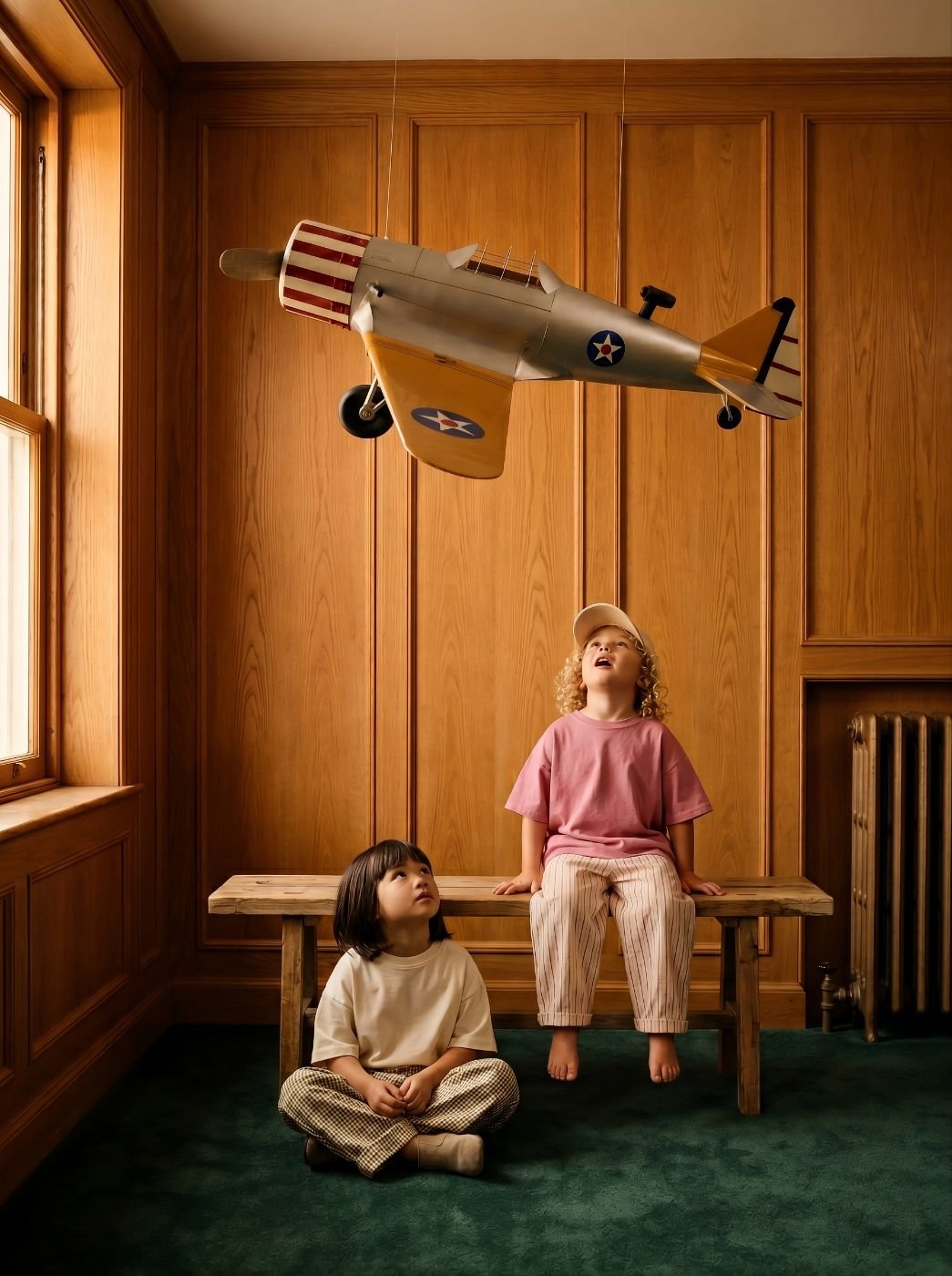
Long before children understand design, they live inside it.
They notice the window they can reach.
The chair that feels made for them.
The familiar corner where the same story is told again and again.
They may not have words for proportion, colour, architecture or beauty.
But they are already learning them.
A child’s first understanding of the world does not begin with an explanation. It begins with experience — with the places they inhabit, the objects they return to, and the small rituals they create around them.
Perhaps this is why the rooms of childhood remain so vivid.
Years later, we rarely remember everything that was in them. We remember fragments instead: the light at a certain hour, the view from a window, the place where something always belonged.
Children remember spaces before things.
And yet, it is often the things within those spaces that help give them their character.
The objects a child loves are touched, moved, arranged, misplaced and found again. They become characters in stories no adult ever hears in full. Over time, they become part of a private visual language — one formed long before taste has a name.
This is something we think about often at Little Forest Animals.
Not simply what a child will play with today, but what living with an object might quietly leave behind.
 A world at their scale
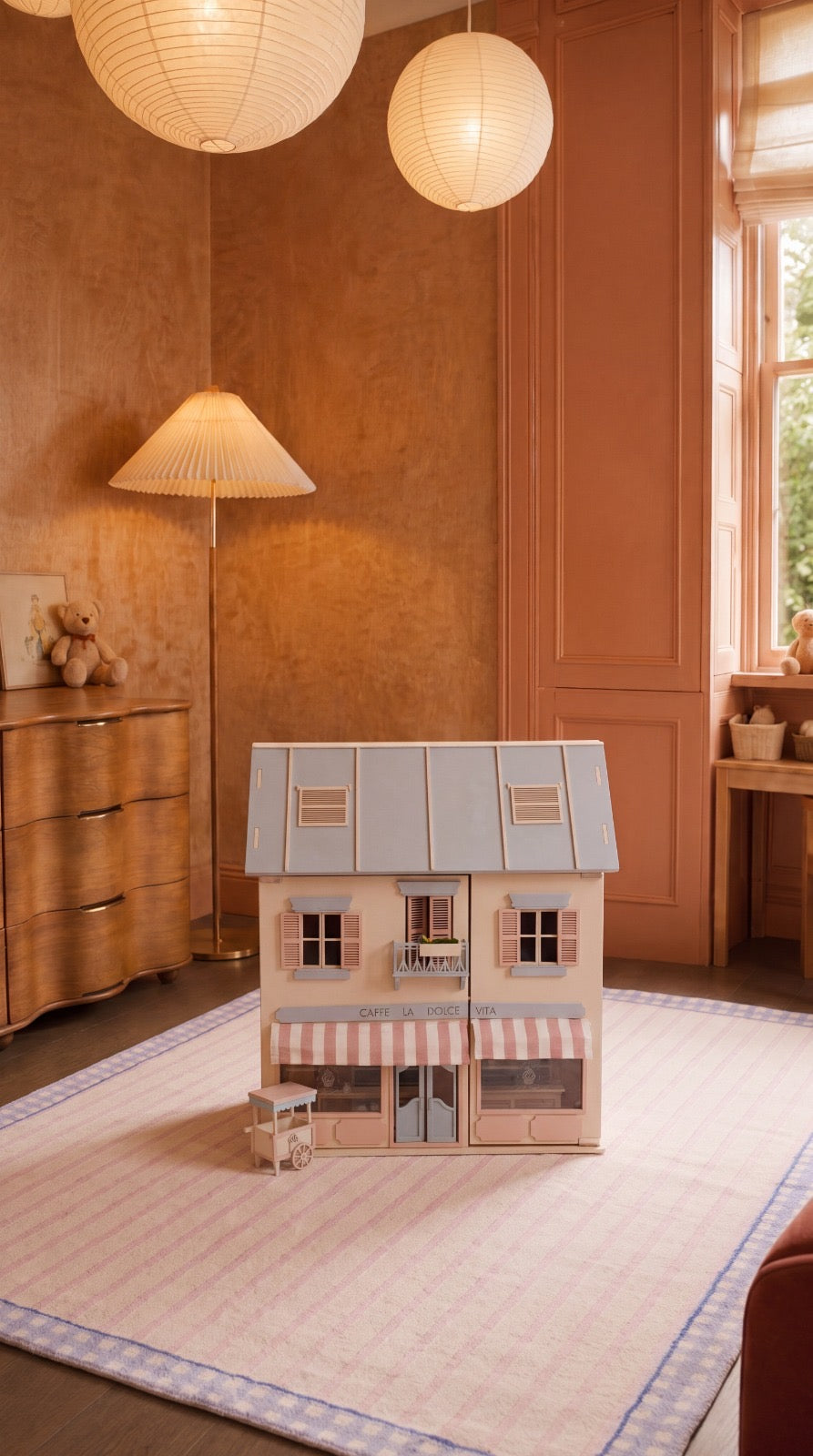
There is something extraordinary about giving children a world small enough to belong entirely to them.
A family whose lives they invent.
A door that can lead somewhere different every afternoon.
Within that small world, the child is not merely playing inside someone else’s imagination.
They are authoring their own.
They decide who lives there, what matters, what changes and what stays. They arrange a room and change their mind. They create order, disrupt it, and begin again.
Perhaps this is one of the earliest experiences of having a point of view.
The first impressions
We often think of taste as something that arrives much later in life.
We are not so sure.
Long before children know why one room feels different from another, they are absorbing the world around them. Materials. Shapes. Details. The care with which something has been made.
Beauty does not need to be explained to a child for it to become familiar.
It can simply be there.
And the things that become familiar in childhood have a curious way of following us.
Not always as objects.
Sometimes as preferences we cannot quite explain. A particular kind of room. An old wooden staircase. A colour. A feeling of warmth. The way we want our own homes to feel years later.
The first world is a small one.
But its impressions can be remarkably large.
What remains
Childhood is full of things that disappear.
Clothes become too small.
Books are outgrown.
Rooms change.
Favourite objects quietly lose their place.
But not everything leaves with them.
Some things remain because a family decides they should.
And sometimes an object survives long enough to change its meaning entirely.
What was once played with becomes something remembered. What belonged to one childhood waits for another.
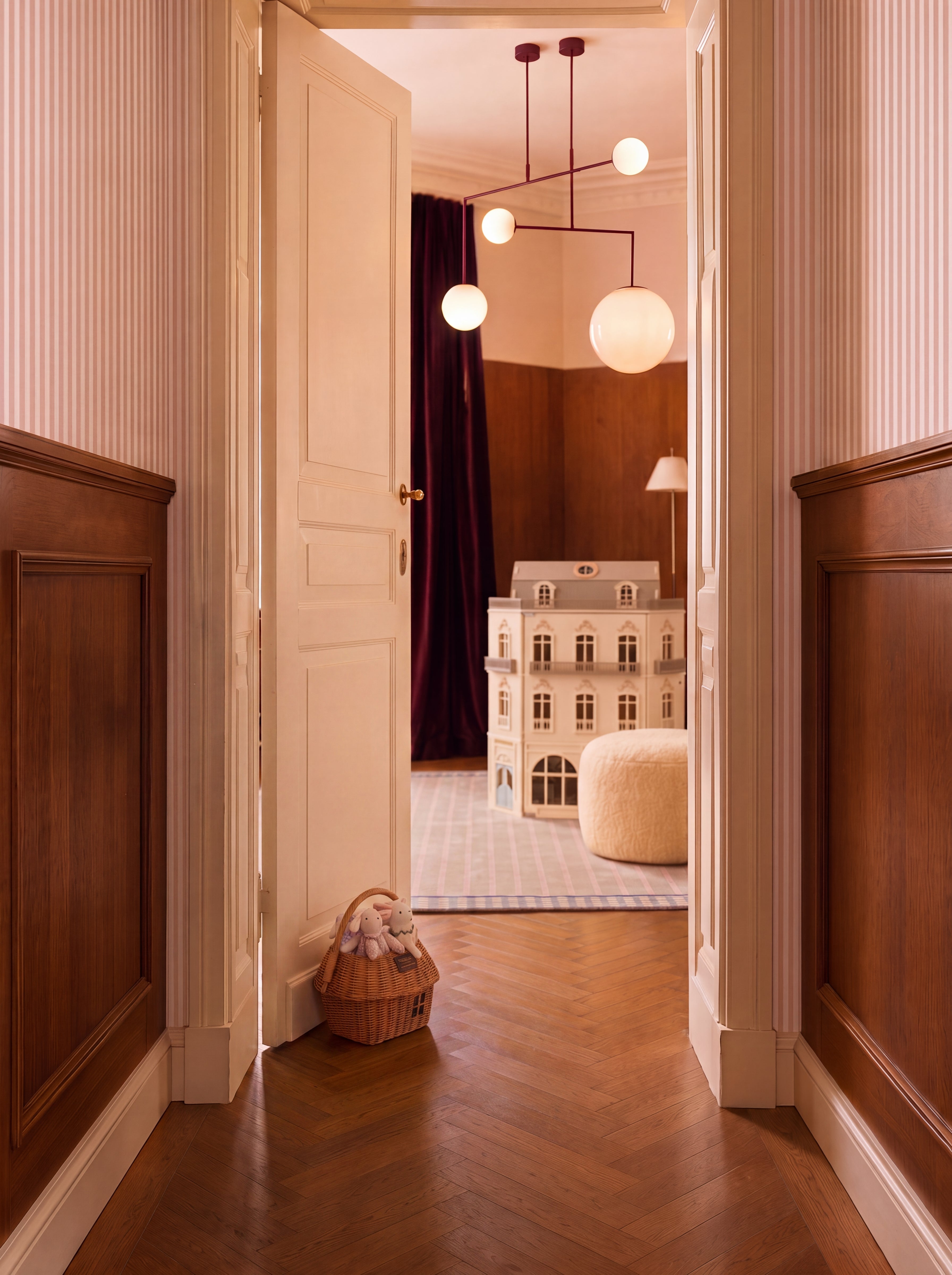
Perhaps that is why we have never thought of our houses as complete when they leave our atelier.
The architecture may be ours.
The rooms may be ours.
But the life that eventually fills them is not.
That belongs to the child.
And, in time, to the family that remembers it.
The first world they call their own is one they will create themselves.
We simply design the place where it can begin.